
The Best Professional Communities Are Built Around a Craft
Most professional communities are organised around who people are rather than what they do. Women in tech. Young professionals. Senior leaders. Expats. These communities exist because shared identity feels like a reasonable starting point for connection, and sometimes it is. But identity is a thin foundation for a community that is supposed to help people grow professionally, and most of the ones built on it quietly reflect that.
The problem is not the people. It is the premise. When a community is organised around a demographic, the implicit promise is that belonging to the same category as someone else is enough to make a conversation worth having. Sometimes it is. More often, you end up in a room with people who share a characteristic but not much else, and the conversation stays surface level because there is nothing deeper pulling it together.
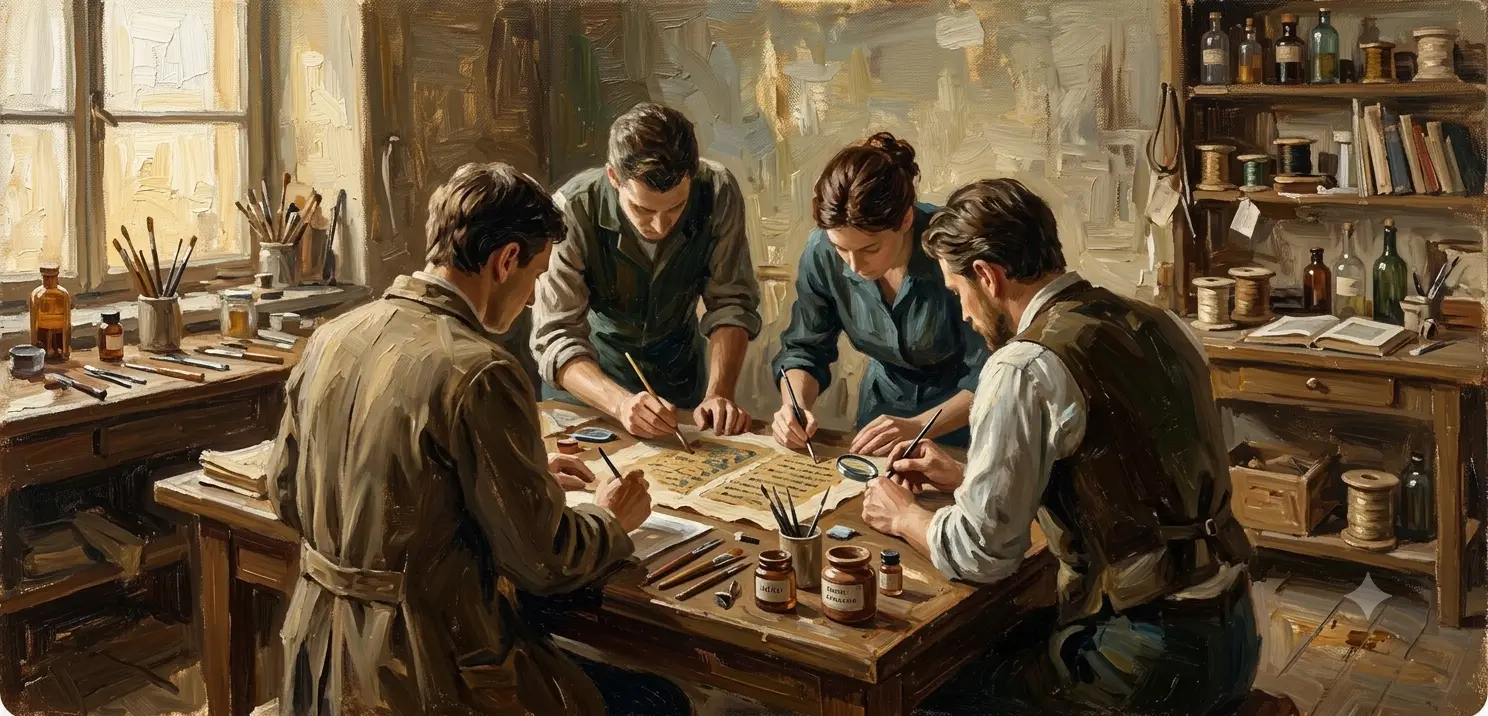
Craft communities work differently. When a group of people are brought together by what they actually do, by a shared discipline, a set of problems, a body of knowledge they are all trying to build, the conversations that happen are different in quality. There is something at stake. People can challenge each other’s thinking because they have the context to do it. They can share what they have learned because they know it will land with someone who understands why it matters. The connection that forms is not just social, it is professional in the truest sense.
Think about the communities that have genuinely shaped industries over time. Most of them were not organised around who their members were. They were organised around what their members were trying to figure out. The early developer communities that shaped how software gets built. The design communities that changed how people think about products. The writing communities that produced some of the most influential voices of their generation. What held those groups together was not a shared demographic. It was a shared obsession.
The demographic approach also has a subtle cost that does not get talked about enough. When a community is defined by who you are rather than what you do, the implicit message is that the most important thing about you professionally is a characteristic you did not choose. That might bring people together, but it does not necessarily help them grow. The communities that actually move people forward are the ones that take the work seriously, that treat craft as something worth dedicating time and attention to, and that create the conditions for people to get genuinely better at what they do.
That is a harder community to build. It requires more clarity about what the community is actually for. It requires organisers who understand the craft well enough to shape the conversation around it. And it requires members who show up because they care about the work, not just because they were invited. But the communities that are built that way tend to be the ones people keep coming back to, and the ones that actually leave a mark on the careers of the people inside them.